Social Emotional Strategies Specific to developmental Stages
Providing caregivers, parents, educators with appropriate strategies to support our youngest learners is paramount to development in childhood and adulthood.

Infancy
1. Appropriate Response
Respond to infant with calm, warm and consistency. Creating strong reliable and safe relationships
2. Playful Activities
Playing pee-a-boo and interacting face to face with baby will help develop social skills and understanding of object permanence.
(State of Michigan, 2024)
Toddlerhood
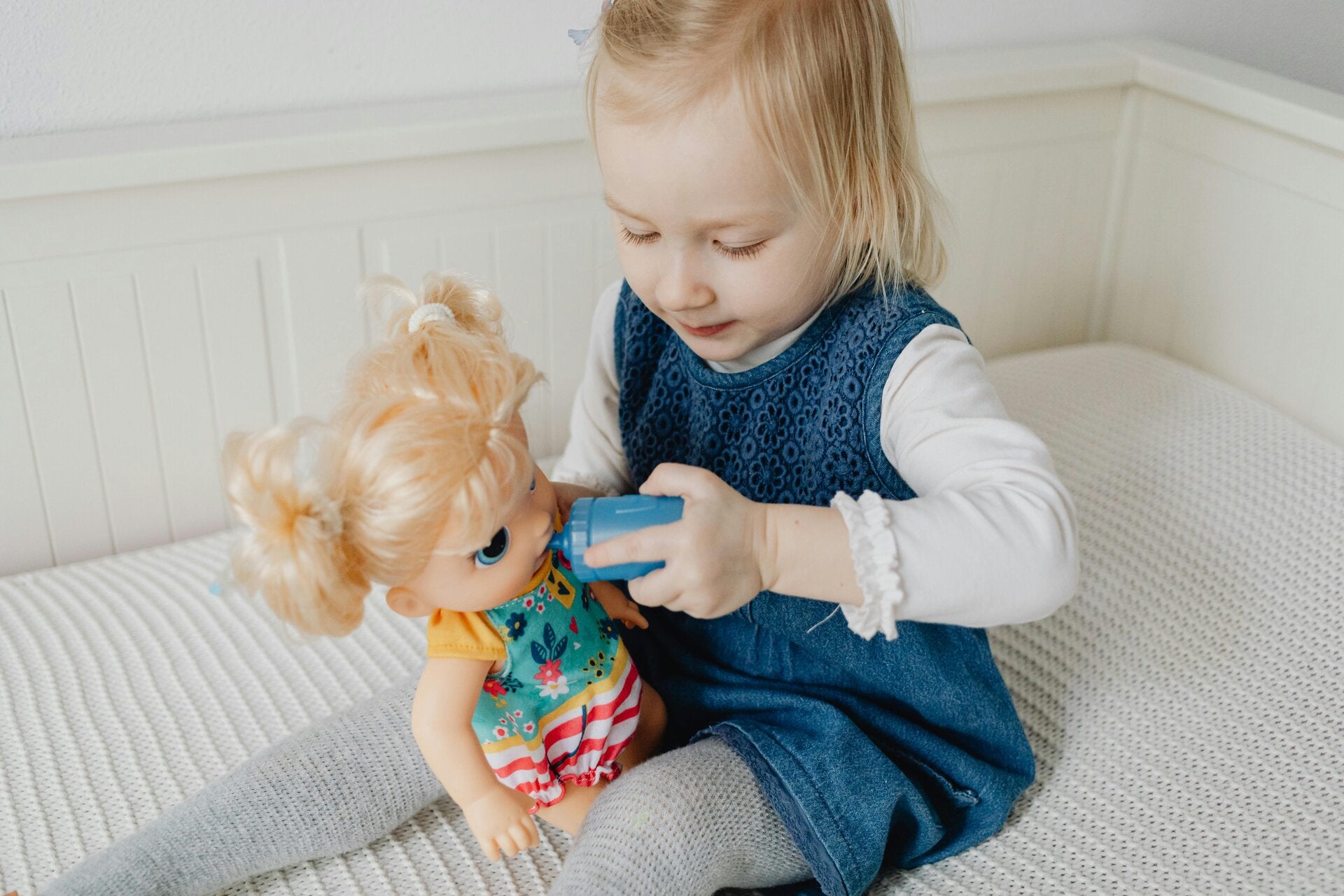
Toddlers become more independent and begin exploring their world more every day. The proper support is necessary to build confidence with learning.
1. Purposeful/Pretend Play
Teaching through play and modeling is how toddlers learn most important lessons. Pretend play help children build their understanding of scenarios and build empathy.
2. Emotional regulation Games
Play games with matching emotion flashcards. Then read a story with emotions and have children pick the correct emotion and talk about how that character is feeling, along with what they can do regulate their emotions.

Early Childhood
Helping children label and identify emotions is important first step to understanding how to appropriately respond to their emotions.
1. Matching Emotions Flashcards.
- Flashcards with the emotions and corresponding colors to match.
- Have students match corresponding feelings with Green, red, yellow, and blue. This better helps them identify emotions.
2. Building a Calming Corner or Safe Spot
- Building a space that is specific to when a child is having a hard time managing emotions.
- Fill this space with comfy pillows. blankets, sensory calm down fidgets, posters of emotion charts, and strategies of breathing.